
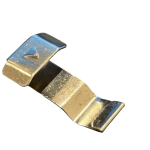

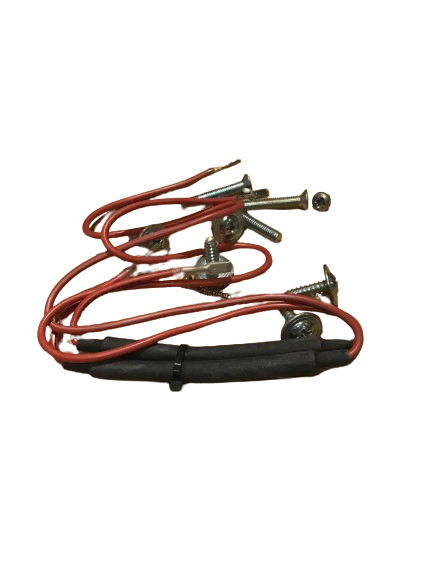
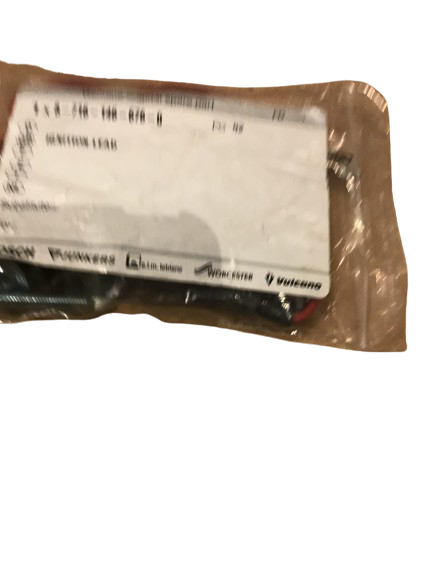
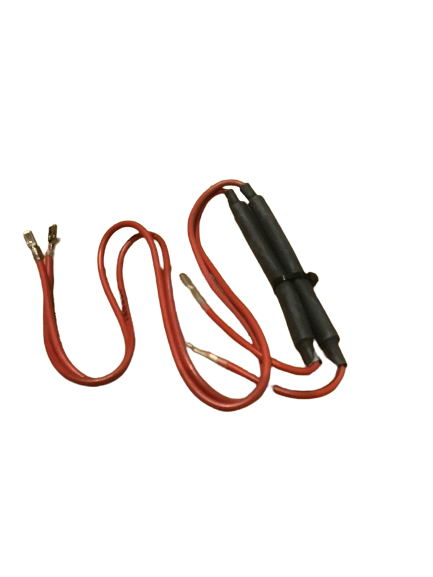
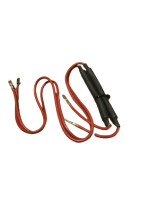


ignition lead 87161466760
An ignition lead (or ignition cable) is a crucial component in an internal combustion engine’s ignition system. It conducts electrical current from the ignition coil to the spark plugs, enabling the spark necessary for igniting the air-fuel mixture in the engine cylinders.
Key Aspects of Ignition Leads:
1. Purpose:
- Conduct Electricity: Transfers high-voltage electricity from the ignition coil to the spark plugs.
- Ignition Timing: Ensures that the spark plugs fire at the correct time to optimize engine performance.
2. Components:
- Wire Core: Made from high-voltage-resistant materials such as silicone or rubber, often with a conductive core, like carbon or metal strands.
- Insulation: Provides electrical insulation to prevent short circuits and to protect against heat and vibration.
- Connectors: Ends of the leads have connectors that attach to the ignition coil and spark plugs. These can be clip-on or screw-on, depending on the system.
3. Types:
- Standard Ignition Leads: Simple, usually with a single layer of insulation.
- Resistor Ignition Leads: Include a resistor to reduce electromagnetic interference (EMI) and radio frequency interference (RFI).
- High-Performance Leads: Designed for high-energy ignition systems, often with advanced insulation and materials to handle higher temperatures and voltages.
4. Common Issues:
- Wear and Tear: Over time, leads can degrade due to heat, vibration, and exposure to engine fluids.
- Cracks or Breaks: Visible damage to the insulation or core can lead to misfires or reduced engine performance.
- Electromagnetic Interference: Faulty leads can cause electrical noise affecting engine performance and radio reception.
5. Maintenance:
- Inspection: Regularly check ignition leads for signs of wear, damage, or corrosion.
- Replacement: If leads show signs of damage or performance issues, replace them with compatible parts. Using the correct part number ensures proper fit and function.
Ignition Lead Part Number 8716146676:
- Specific Part Number: This part number refers to a specific ignition lead used in certain vehicles or engines. It’s important to use this exact part number for replacement to ensure compatibility.
- Manufacturer and Model: This part number will be specific to a manufacturer or vehicle model. To get accurate details, consult the vehicle’s service manual or contact a parts supplier or dealership with the part number.
Installation:
- Correct Placement: Ensure each lead is installed in the correct position, connecting the appropriate ignition coil terminal to the corresponding spark plug.
- Secure Connections: Make sure all connections are snug to avoid electrical arcing or poor contact.
Finding the Right Ignition Lead:
- Vehicle Manufacturer’s Documentation: Check the owner’s manual or service guide for the correct ignition lead specifications and part number.
- Parts Supplier: Use the part number (8716146676) to search for compatible ignition leads from suppliers or automotive stores.


